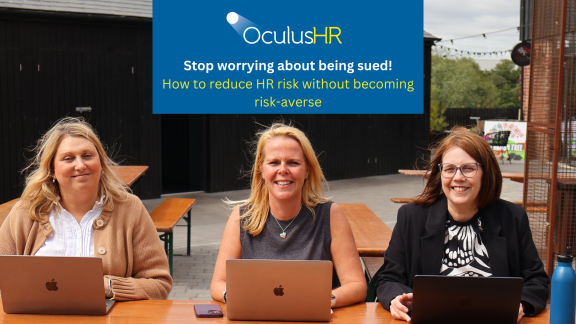
How to reduce HR risk without becoming risk-averse
For many organisations, the fear of getting it wrong in HR is often tied to one thing: legal risk.
Whether it’s the possibility of a tribunal claim, a grievance escalating, or a dismissal being challenged, leaders often worry about the consequences of getting things wrong. Even when decisions are well intentioned, uncertainty about process, fairness, and legal risk can make people decisions feel high-stakes.
But reducing HR risk isn’t about avoiding difficult decisions altogether, it’s about understanding where risk comes from and putting the right support and structures in place to manage it confidently.
Understanding where HR risk really comes from
In practice, HR risk rarely arises from a single dramatic incident. More often, it develops gradually, through gaps in process, inconsistency in decision-making, or uncertainty in how to handle complex situations.
Common sources of risk include:
· Unclear or outdated policies and procedures
· Inconsistent approaches between managers
· Informal conversations without documentation
· Decisions made without expert guidance
· Delayed action on performance or conduct issues
Individually, these issues may seem manageable, but together they can create uncertainty, employee dissatisfaction, and potential legal exposure.
The role of structure in reducing risk
One of the most effective ways to reduce HR risk is to ensure organisations have clear, structured processes in place.
For example, when dealing with performance concerns, leaders often struggle with questions such as:
- When should an issue be addressed formally?
- What evidence is needed?
- How should conversations be documented?
Clear frameworks for performance management, disciplinaries, grievances and investigations help leaders move from instinctive decisions to consistent, proportionate action. Structure doesn’t remove flexibility, it provides a foundation for fair and defensible decision-making.
The value of trusted expertise
Even with strong processes, people situations are rarely straightforward. Leaders often need reassurance that they are interpreting policy correctly and responding proportionately.
Access to knowledgeable HR expertise plays a crucial role in reducing risk.
In Oculus HR’s latest client insight survey:
- 100% of clients said they are confident in our expertise
- 100% said our support is reliable and useful
These findings highlight an important point – confidence in people decisions doesn’t come from knowing everything yourself. It comes from having trusted support to sense-check decisions, interpret complexity, and guide action.
Consistency as a risk-reduction tool
Another significant source of HR risk is inconsistency.
When similar situations are handled differently across teams or managers, organisations can face accusations of unfairness, bias or discrimination. Inconsistent approaches also make it harder to defend decisions if they are challenged.
Consistency in how policies are applied, how conversations are handled, and how decisions are documented helps organisations reduce risk while maintaining fairness and transparency.
The danger of becoming too risk-averse
Interestingly, fear of legal risk can sometimes create new problems.
When leaders avoid difficult conversations, delay decisions or tolerate issues because they are worried about doing it wrong, problems often escalate. Team morale can suffer, performance issues become entrenched, and unresolved tensions may lead to grievances or complaints.
Reducing HR risk is not about avoiding action. It is about acting early, proportionately and with the right support.
From fear to confidence in people decisions
Organisations that manage HR risk effectively do not eliminate uncertainty entirely. Instead, they change how people decisions are approached.
Rather than asking, “What if this goes wrong?”, leaders begin to ask, “What is the right way to handle this?”
That shift, from fear to informed confidence, is where real risk reduction happens.
With clear processes, consistent approaches, and access to trusted HR expertise, organisations can navigate complex people situations with assurance rather than anxiety.
Reducing risk without losing humanity
Effective HR is not just about legal compliance. It is about balancing fairness, consistency and empathy.
Policies and procedures matter but so does judgement, communication, and support.
When organisations have the right HR foundations in place, they can make decisions that are both legally sound and human-centred.
If you’re navigating a difficult people issue, or simply want the reassurance of knowing your HR processes are on the right track, we’d be happy to help.
Whether it’s a one-off challenge or ongoing support, having experienced HR expertise around you can make all the difference. Because reducing risk isn’t about avoiding difficult decisions, it’s about making them with confidence.
Get in touch with the Oculus HR team to find out how we can help you approach people decisions with clarity, consistency and peace of mind.