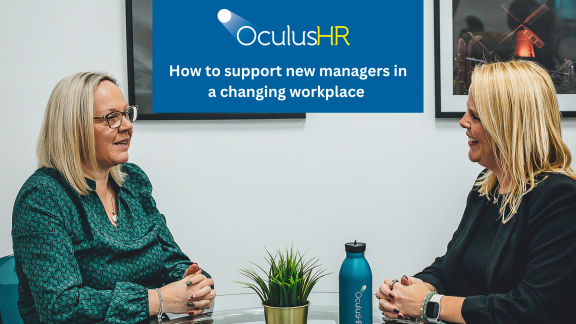
Supporting new managers has become an increasingly important priority for many organisations. As the role of a line manager continues to evolve, businesses are recognising that technical expertise alone is not enough.
New managers are often expected to balance performance, employee wellbeing, flexible working arrangements, and changing employment expectations, all while building confidence in their own leadership style.
For many organisations, promoting from within makes good business sense. Employees who know the organisation, understand its culture, and have built strong technical skills are often the natural choice when management opportunities arise.
However, being good at a role and being responsible for managing people are two very different things. Many first-time managers step into their position with enthusiasm and expertise, but with little formal experience of handling people challenges.
What does supporting new managers involve?
Supporting new managers means giving them the skills, confidence, and guidance to lead people effectively. Alongside their operational responsibilities, managers increasingly need to balance performance, employee wellbeing, flexible working, and fair decision-making. Having access to practical management training and clear HR support can help them navigate these responsibilities with confidence.
The expectations placed on managers are changing
The traditional view of management was often centred around delegation, supervision and performance. While these responsibilities remain important, managers are now also expected to build engagement, support development, have confident wellbeing conversations, and create positive team cultures.
At the same time, employees are often more informed about their rights and more willing to ask questions or challenge decisions. Flexible working arrangements can add further complexity, with managers needing to balance individual requests against the needs of the wider team and the business.
In many organisations, line managers have become the link between organisational strategy and the day-to-day employee experience. The decisions they make, and the way they communicate them, can have a significant impact on morale, retention and performance.
Balancing performance and wellbeing
One of the biggest challenges for managers is finding the right balance between supporting people and maintaining accountability.
There can sometimes be a perception that these objectives sit in opposition to one another. In reality, the most effective managers are often those who can do both. They create an environment where employees feel supported, while also being clear about expectations and standards.
Supporting wellbeing does not mean avoiding difficult conversations or lowering expectations. Equally, managing performance should not come at the expense of empathy or understanding. The key is consistency, communication and the confidence to have open conversations before issues escalate.
Leading teams that work differently
The way many teams operate has also changed. Flexible and hybrid working have brought significant benefits, but they have also created new management challenges.
Managers may not have the same visibility they once had, making it harder to spot when someone is struggling or disengaged. Team members may have different working patterns or different expectations around communication and availability. Building collaboration and maintaining a sense of connection can take more deliberate effort than it did when everyone was in the same place every day.
This does not mean hybrid working is problematic. It simply means managers need the right support and guidance to manage teams effectively in a changing environment.
Navigating an evolving employment landscape
Alongside these cultural changes, managers are increasingly operating against a backdrop of evolving employment law and workplace expectations.
While managers are not expected to become employment law experts, they do need to understand the principles that underpin fair and consistent decision-making. Whether they are handling absence, performance concerns, flexible working requests or workplace conflict, confidence in the process is just as important as confidence in the conversation.
This is where clear policies and accessible HR support make a real difference. They give managers the reassurance that they are approaching situations appropriately, while allowing them to focus on leading their teams.
Confidence matters more than perfection
Many new managers worry about getting things wrong. They want to support their team, make fair decisions and handle challenging situations well, but they often feel they need to have all the answers before taking action.
In reality, good people management is rarely about perfection. It is about building confidence over time, asking questions when support is needed, and approaching workplace challenges with consistency and good judgement.
The managers who have the biggest positive impact are not necessarily those with the most experience. They are often the ones who communicate openly, listen carefully, and are willing to have honest conversations when they matter.
What can businesses do to support new managers?
Supporting first-time managers does not need to be complicated. In many cases, it comes down to providing the right foundations and making sure managers know where to turn when they need guidance.
This might include:
- Providing structured management training.
- Creating opportunities for regular check-ins or mentoring.
- Giving managers access to practical HR support and advice.
- Encouraging early conversations around people challenges rather than expecting managers to deal with them alone.
Small investments in management capability can have a significant impact on team performance, engagement and retention over time.
Investing in managers is investing in the business
Managers play a critical role in shaping the everyday experience of work. They influence employee engagement, wellbeing, retention and performance, often through the small decisions and conversations that happen every day.
As expectations continue to evolve, organisations that invest in management training and leadership development are likely to see the greatest long-term benefits. Providing practical guidance, creating opportunities to build confidence, and ensuring managers have access to the right HR support can help them navigate challenges effectively and lead with greater confidence.
Supporting new managers is not about expecting them to be experts from day one. It is about giving them the tools, knowledge and reassurance they need to grow into the role and succeed.
Frequently asked questions
Why do first-time managers need support?
First-time managers are often promoted because they are technically strong in their role, but managing people requires a different set of skills. Training and ongoing support help them build confidence and make fair, consistent decisions.
How can businesses help new managers succeed?
Clear expectations, practical management training, regular check-ins and access to HR guidance can all help new managers develop their leadership skills and manage people effectively.
Why is supporting line managers important?
Line managers have a direct influence on employee engagement, wellbeing, retention and performance. Investing in their development helps create stronger teams and a more positive workplace culture.
Supporting managers to feel confident in their role can make a lasting difference to teams and businesses alike. If you would like to strengthen management capability within your organisation, the Oculus HR team is always happy to help.