Recent figures from the Office for National Statistics showed that almost 150 million working days were lost to sickness or injury last year, this equated to an average of 4.4 working days lost per employee in 2025. And, while absence levels have stabilised, they remain almost 10 million days higher than pre-pandemic figures.
Stress, anxiety and other mental health concerns continue to be a significant driver of workplace absence, with almost a third of employers reporting them as a leading reason for sickness absence.
While there are many factors behind this, the numbers are a reminder that workplace wellbeing continues to be a significant challenge for organisations.
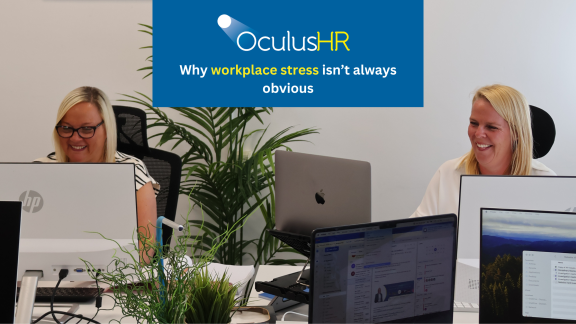
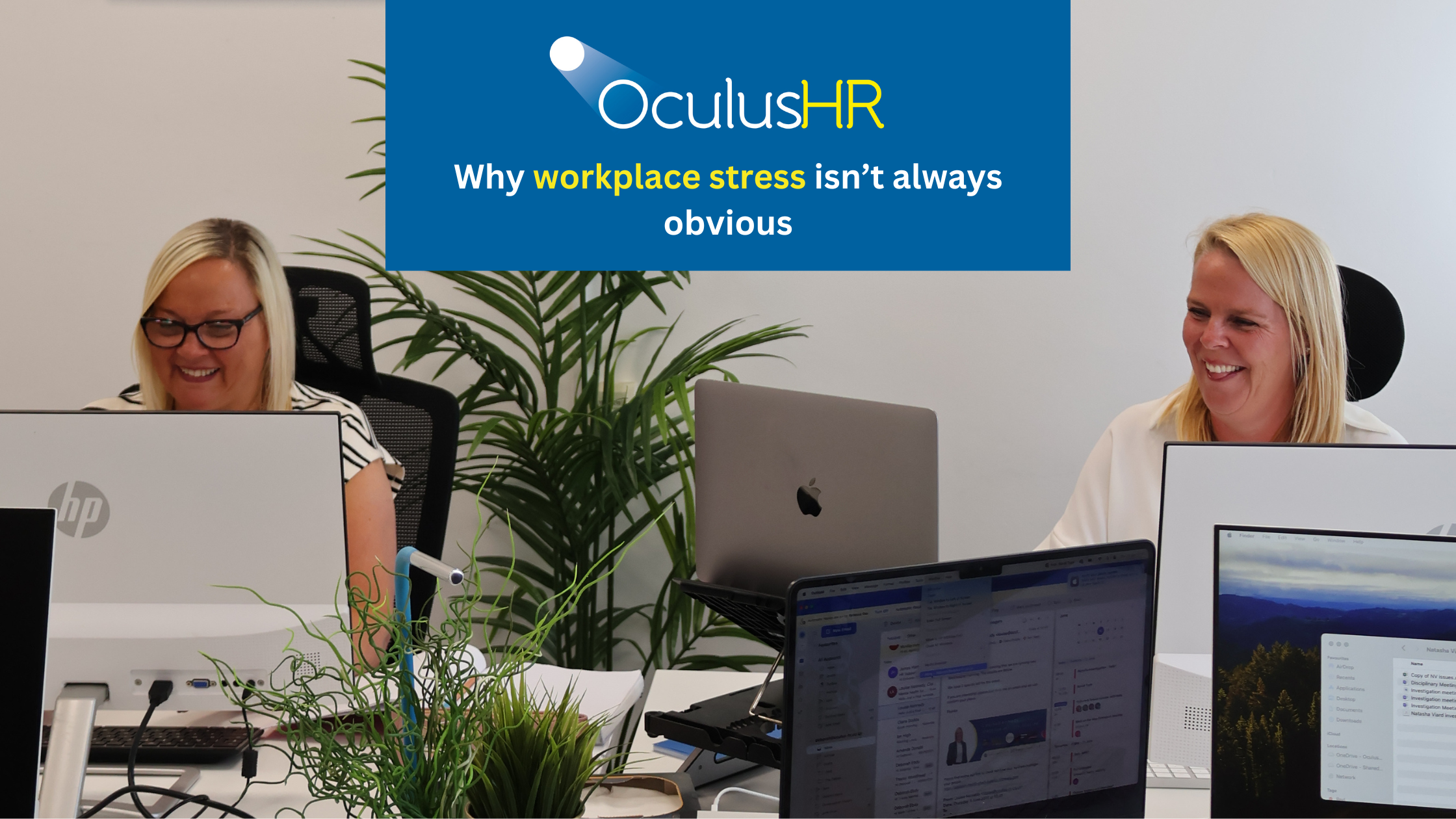
However, one of the difficulties for employers is that stress at work is not always immediately visible. In many cases, people continue to meet deadlines, attend meetings, and appear to cope long before concerns become more obvious.
By the time absence happens, pressure has often been building for some time.
Stress doesn’t always look the way people expect
There is still a common assumption that workplace stress is always easy to spot. In reality, it can present very differently from person to person.
Some employees may become quieter or more withdrawn. Others may appear more reactive, frustrated, or emotionally tired. In some cases, performance may dip gradually. In others, standards remain high, but maintaining them comes at a significant personal cost.
This is often why workplace stress can go unnoticed. Many people continue working through pressure rather than speaking openly about it, particularly in busy environments where high workloads and fast pace have become normalised.
The signs managers often notice first
Managers are rarely expected to diagnose stress or become wellbeing specialists. What they can do, however, is recognise when someone’s usual behaviour changes.
Often, the early signs are subtle:
- Reduced engagement in meetings or conversations
- Changes in communication or responsiveness
- Increased mistakes or missed details
- Lower confidence or hesitation in decision-making
- Frustration or emotional reactions that seem out of character
- Presenteeism, where employees continue working despite clearly struggling
On their own, these changes may not seem significant. Over time, though, patterns can begin to emerge.
Why pressure can be difficult to spot
One of the challenges in modern workplaces is that pressure has become easier to hide.
Hybrid and flexible working can reduce day-to-day visibility, making it harder for managers to notice changes in behaviour. At the same time, many teams are operating under sustained pressure, which can cause stress responses to feel “normal” rather than concerning.
There can also be an assumption that if someone is struggling, they will say so. In practice, this is not always the case. Employees may worry about appearing incapable, letting colleagues down, or creating additional pressure for the wider team.
As a result, managers may only become aware of an issue once absence, burnout, or conflict has already developed.
Why early conversations matter
Supportive conversations do not need to be formal or overly complex to make a difference.
In many cases, the most effective approach is simply creating space for regular check-ins, noticing changes early, and asking thoughtful questions before situations escalate. Employees are often more likely to speak openly when conversations feel normal, rather than only taking place once there is a clear problem.
Importantly, early support does not mean removing accountability or lowering expectations. Clear communication, realistic workloads, and consistent management remain important. The aim is not to eliminate pressure entirely, but to ensure it is manageable and recognised before it becomes harmful.
Supporting managers to respond confidently
Many managers want to support their teams well but feel unsure about how to approach conversations around stress or wellbeing. They may worry about saying the wrong thing, overstepping boundaries, or creating a situation they do not feel equipped to manage.
Providing managers with practical guidance and confidence around these conversations can make a significant difference. Often, it is not about having all the answers, but about recognising changes, responding appropriately, and creating an environment where people feel able to speak openly when needed.
A more sustainable approach to workplace wellbeing
As conversations around wellbeing continue to evolve, many organisations are recognising that support cannot be purely reactive. Waiting until someone reaches crisis point is difficult for the individual, the team, and the business as a whole.
A more sustainable approach focuses on communication, clarity, manageable expectations, and confident management. These are often the factors that help reduce pressure before it develops into longer-term absence or disengagement.
Workplace stress is not always obvious, but creating environments where concerns are recognised early and handled constructively can make a meaningful difference over time.
Recognising pressure early and responding consistently can help prevent longer-term challenges for both employees and businesses. If you need help, get in touch.